Buying the equipment first and applying for funding afterward almost never works with this program, even for someone who would have genuinely qualified if they’d applied first. The Assistive Devices Program requires approval before a purchase happens, not after, and that single sequencing detail trips up more applicants than any eligibility rule the program actually enforces.
- What This Program Actually Covers
- The Standard Funding Split And Who Gets More
- Two Genuinely Different Ways The Money Actually Moves
- Some Categories Don’t Follow The 75 Percent Rule At All
- What This Program Explicitly Won’t Cover
- How The Application Process Actually Works
- Making Sure Your Own Application Goes Smoothly
- What Trips Up Most New Applicants
Understanding how ADP actually works, what it covers, how the funding splits differently depending on the category of equipment, and how to navigate the application correctly the first time, is worth doing before assuming this program works the same simple way for every type of device.
What This Program Actually Covers
The Assistive Devices Program covers more than 8,000 separate pieces of equipment and supplies across multiple categories, aimed at Ontario residents with long-term physical disabilities. This spans genuinely wide territory, mobility equipment like wheelchairs and scooters, hearing aids, artificial limbs, orthopaedic braces, breathing and oxygen equipment, ostomy supplies, communication aids, and diabetes-related supplies among many other categories, rather than being narrowly focused on one type of disability or one age group.
Eligibility for the program broadly requires a valid Ontario Health card and a physical disability expected to last six months or longer, a genuinely low bar in terms of paperwork but a real one in terms of the disability actually needing to be long-term rather than a short-term recovery situation. There’s no age restriction built into the program itself, a child, a working-age adult, and a senior can all access ADP funding provided their specific situation and equipment need meet that category’s particular criteria.
The Standard Funding Split And Who Gets More
The default funding structure has ADP paying 75 percent of the approved price for most equipment categories, with the client responsible for the remaining 25 percent. For a power wheelchair running several thousand dollars, that 25 percent client share is still a genuinely significant out-of-pocket cost, which is exactly why understanding the exception below matters so much for anyone already receiving other government support.
Clients currently receiving social assistance benefits through Ontario Works, the Ontario Disability Support Program, or Assistance for Children with Severe Disabilities get 100 percent funding instead of the standard 75 percent, with ADP covering the full approved price and no out-of-pocket contribution required from the client at all. This stacking matters directly for anyone already connected to Ontario Works or the Ontario Disability Support Program, since it means ADP eligibility isn’t just a separate program to apply for, it’s a benefit that gets meaningfully richer once you’re already receiving one of those other supports.
Two Genuinely Different Ways The Money Actually Moves
Most ADP-funded equipment follows a vendor-billed model, where the client pays their share directly to an ADP-registered vendor at the time of purchase, and the vendor then bills ADP separately for the remaining balance. This is the structure most people picture when they think about how the program works, and it applies to the bulk of major equipment categories like wheelchairs, mobility devices, and hearing aids.
A smaller set of categories works completely differently though, and it’s a distinction worth knowing before assuming every purchase has to go through a registered vendor. For specific categories including ostomy supplies, breast prostheses, insulin syringes for seniors, and enteral feeding pump supplies, ADP pays a grant directly to the individual, who can then use that money to purchase eligible items from any retailer selling them, not just vendors specifically registered with the program. That flexibility genuinely matters for someone who already has a preferred pharmacy or supplier for these ongoing supply needs, since it means the funding follows the person rather than locking them into a specific vendor relationship.
Some Categories Don’t Follow The 75 Percent Rule At All
Home oxygen funding carries its own distinct structure separate from the standard split covered above. Seniors aged 65 and older receive 100 percent funding for home oxygen and related equipment, and that same full funding extends to anyone under 65 who is on social assistance, living in a long-term care facility, or receiving professional services through a home and community care access point, while everyone else outside those specific circumstances receives the standard 75 percent instead. This creates a genuinely three-tiered structure for a single equipment category, something worth checking specifically rather than assuming the general 75 or 100 percent rule applies uniformly.
Hearing aids break the pattern in a different way entirely, rather than a percentage of the purchase price, ADP contributes a fixed dollar amount toward each hearing aid regardless of the specific device’s actual cost. That structure means choosing a more expensive hearing aid doesn’t increase what ADP contributes, the fixed amount stays the same either way, making the gap between that contribution and the device’s actual price purely a function of which specific hearing aid gets chosen rather than anything ADP’s funding formula adjusts for.
What This Program Explicitly Won’t Cover
Equipment required exclusively for sports, work, or school falls outside ADP’s scope entirely, a real limitation for anyone hoping to fund specialized equipment tied to a single specific activity rather than general daily living needs. The program also won’t fund equipment already available through the Workplace Safety and Insurance Board, or for Group A veterans covered for their pensioned conditions, since ADP is built to fill gaps rather than duplicate coverage that already exists through another system.
Repairs and ongoing maintenance generally fall outside standard ADP coverage too, with the program funding the initial purchase rather than the equipment’s upkeep afterward, though a specific repair grant does exist separately for certain device categories through ADP-registered vendors. Confirming whether your specific equipment category includes that repair grant option is worth doing directly with your vendor before assuming a broken device automatically qualifies for a repair authorization the same way the original purchase did.
How The Application Process Actually Works
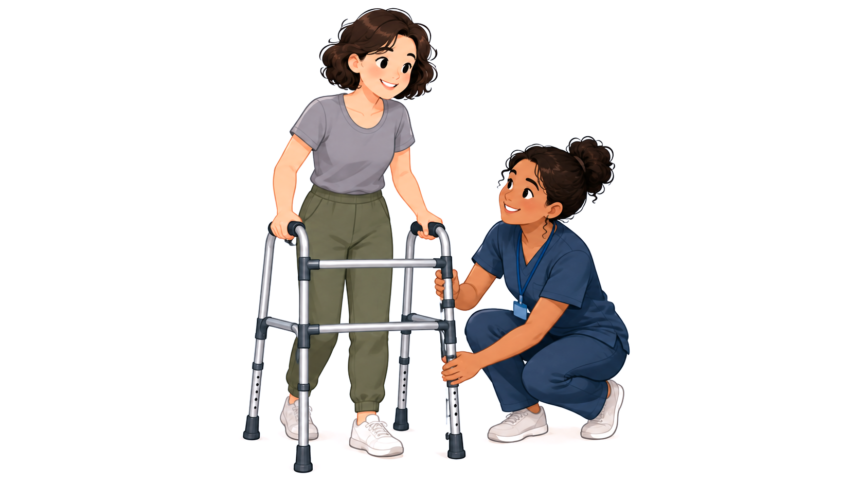
Getting approved starts with an assessment by a qualified, ADP-recognized authorizer, typically an occupational therapist or physiotherapist, who evaluates your specific equipment needs and completes the required application documentation on your behalf. That authorizer’s assessment, not just a general request from the applicant, is what actually establishes medical necessity in the eyes of the program, which is why this step can’t be skipped or shortcut regardless of how clear the need might seem from the applicant’s own perspective.
Once submitted, the completed application goes to ADP for review, and only after approval does the actual equipment purchase happen through a registered vendor. If ADP determines an applicant doesn’t meet the eligibility criteria for a specific device, a written appeal process exists, submitted by mail, email, or fax directly to the program, giving applicants a genuine path to challenge a denial rather than treating an initial rejection as automatically final.
Making Sure Your Own Application Goes Smoothly
Confirm you’re working with a genuinely ADP-recognized authorizer before starting the assessment process, since that specific credential is what makes an application valid in the first place, not just any healthcare provider’s general recommendation. Never purchase equipment before receiving formal approval, regardless of how confident you feel about your own eligibility, since a completed purchase made ahead of approval essentially forfeits the funding this entire program exists to provide.
And if you’re already receiving support through Ontario Works, ODSP, or ACSD, mention that status explicitly during your application, since it’s the specific detail that shifts your funding from the standard 75 percent up to full coverage rather than something ADP will automatically apply without it being flagged clearly on your file. For a broader look at how disability-related supports fit together in Ontario, our overview of benefits for low-income Ontario families covers how programs like this one connect to other income-tested assistance worth knowing about.
What Trips Up Most New Applicants
Can I choose any hearing aid or medical equipment brand I want and still get ADP funding? Generally yes for the device itself, provided it falls within an ADP-approved category and gets purchased through a registered vendor, though the funding amount itself is fixed or capped regardless of which specific brand or model you select within that category.
Does having private insurance disqualify me from ADP funding? No, ADP and private insurance can generally work together, with private coverage often applied toward the client’s remaining share after ADP’s contribution, rather than one automatically excluding the other.
If my equipment needs change after I’m already approved, do I need to start the application process over? Generally yes for a genuinely different device or a significant change in needs, since ADP approval is tied to the specific equipment assessed and authorized, not a general ongoing entitlement that automatically covers whatever comes next.